
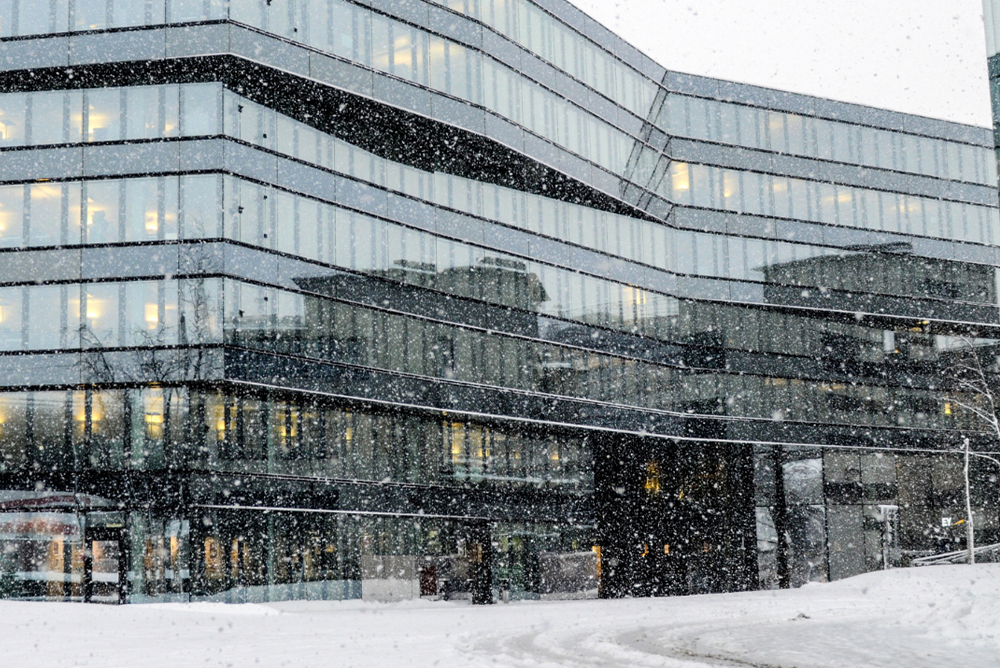
As the autumn air sets in and ambient outdoor temperatures begin their downward slide, building managers, contractors, and BREEAM assessors are all watching the weather forecast for one specific reason: thermography season is almost here.
While dropping temperatures might mean pulling out heavy coats, for anyone aiming to secure crucial BREEAM credits for building envelope integrity, cold weather is a necessary partner. Thermographic building surveys are one of the most effective non-destructive ways to verify insulation continuity, spot thermal bridging, and pinpoint hidden air leakage. However, you cannot simply flip on an infrared camera at any point in the year—the physics demand specific conditions.
Already Deferred Under KBCN00031? Don’t Risk Losing Your Rating
If you took advantage of BREEAM Guidance Note KBCN00031 to claim your Man 04 thermography credit over the warm summer months, the clock is now officially ticking. Deferring the physical inspection kept your post-construction certification on schedule, but that credit remains strictly conditional until the completed survey report is submitted.
Failing to follow through as outdoor temperatures drop puts your project at risk of retroactive non-compliance. Having that credit revoked after handover can drop your overall BREEAM score—potentially dragging a hard-earned “Very Good,” “Excellent,” or “Outstanding” rating below your target threshold, with major consequences for client commitments and ESG compliance.
The Magic Number: The 10°C Delta T
To capture accurate, actionable thermal images, thermal imaging equipment requires a minimum temperature difference ( ) of at least 10°C between the building interior and exterior. During warmer months, achieving this contrast without absurdly overheating the interior is impossible. As external temperatures drop below 10°C, heating systems can be engaged to maintain a steady indoor environment (typically 20–22°C), creating the stark thermal contrast needed to reveal hidden structural defects.
The Recipe for a Compliant Survey
To ensure your BREEAM thermographic assessment passes strict standards without costly re-tests, optimal environmental conditions must be met:
- Stable Heating: Buildings must be heated continuously for 24 to 72 hours prior to testing to achieve a steady thermal state.
- Zero Solar Radiation: External surveys are conducted at night or before sunrise to eliminate “solar gain,” where sun-heated brick or cladding tricks the infrared sensors.
- Calm, Dry Weather: Rain, fog, or high winds (above 10 mph) cool the building surface unevenly and distort the results.
Why Early Planning Beats the Winter Rush
The UK thermography window generally runs from October through March, but waiting until mid-winter is a gamble. Deep winter brings unpredictable storms, rainouts, and freezing gales that can stall testing right before final project completion deadlines.
By scheduling your thermographic survey as soon as autumn temperatures drop, you avoid winter booking bottlenecks, leave plenty of time to rectify any discovered insulation gaps, and keep your BREEAM accreditation moving smoothly. Don’t let your certification freeze—get your window locked in early.